Greenland holds significant potential for critical raw materials needed for the green transition. Identifying promising areas for mineral exploration, however, remains challenging due to the island’s vast distances, complex geology and high exploration costs.
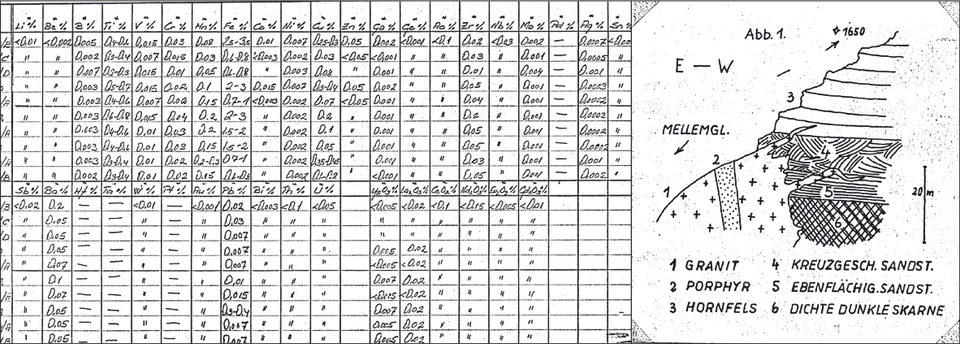
Decades of geological investigations have generated extensive knowledge about Greenland’s geology. Much of this information is preserved in historical reports, handwritten field notes, maps and scientific databases, often in formats that are difficult to analyse together.
A new research project will now investigate how artificial intelligence (AI) can help bring these different sources together and reveal geological patterns that may previously have gone unnoticed.
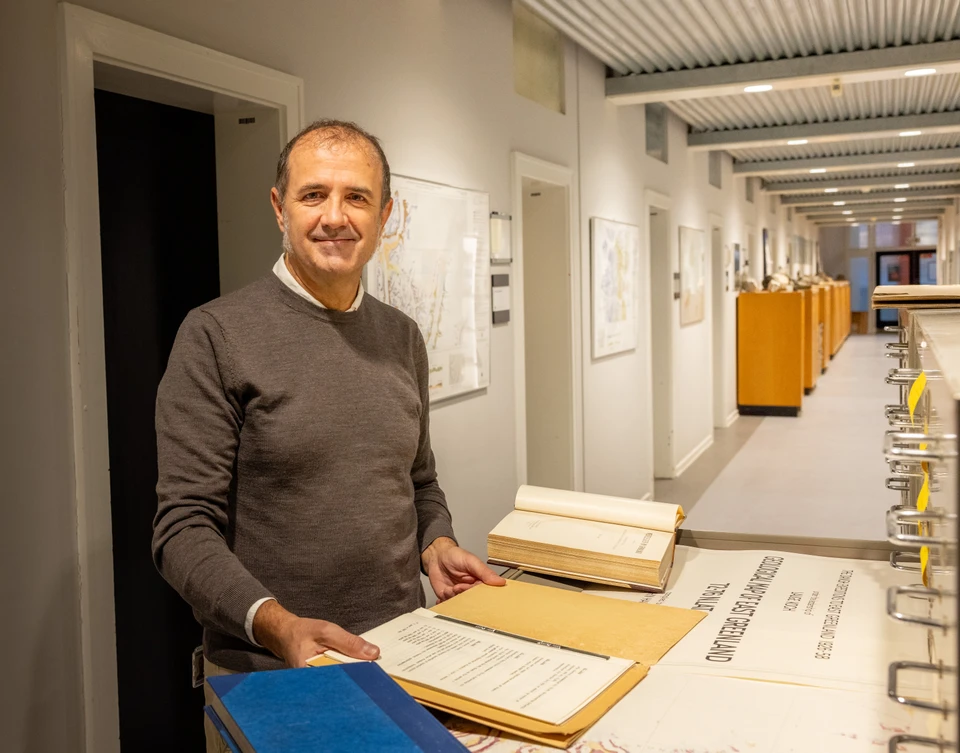
The project has received DKK 4.4 million from the Villum Foundation’s Synergy programme and brings together Senior Researcher Pierpaolo Guarnieri from the Geological Survey of Denmark and Greenland (GEUS) and Associate Professor Bulat Ibragimov from the Department of Computer Science (DIKU) at the University of Copenhagen.
Unlocking decades of geological knowledge
GEUS holds extensive geological information about Greenland, collected through decades of fieldwork, mapping and scientific investigations.
“Decades of geological reports, maps, and field observations hold a wealth of untapped knowledge about Greenland. By integrating this valuable legacy data with artificial intelligence, we aim to reveal previously unrecognised patterns and relationships, opening new routes for understanding Greenland’s geological evolution and mineral potential,” says Pierpaolo Guarnieri.
GEUS’ databases contain records of more than 600,000 geological samples, approximately 10,000 reports and over 6,000 geological maps, alongside geophysical measurements and other scientific data. The challenge is that this information exists in different formats, from structured databases to scanned historical documents containing handwritten observations, drawings and tables.