
Biochar is produced by heating organic material under low-oxygen conditions, and it is receiving growing attention as a possible tool for long-term CO₂ sequestration and soil fertility improvement. However, its environmental impacts are not yet well understood.
Biochar is chemically complex and changes over time as it interacts with natural soil processes. These changes may influence whether pollutants, including persistent substances such as PFAS and pesticides, are retained in the soil or transported towards groundwater.
This is precisely what the BioReCo project – ‘Biochar, Redox, and Contaminant Fate in CO₂ Sequestration’ – will examine.
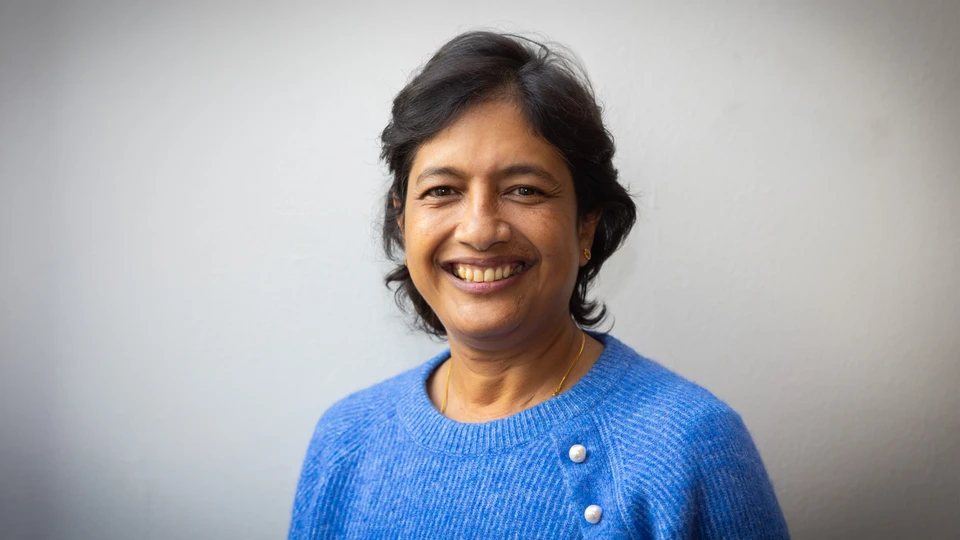
“Biochar holds great promise for both carbon sequestration and soil fertility improvement, but we need to understand its complex chemistry and its impact on emerging contaminants. Adding biochar can alter soil redox conditions, which in turn may influence how emerging contaminants are released or retained, sometimes more strongly than under natural conditions. With this grant, we can explore those unknowns and contribute to more sustainable climate solutions,” says Professor Meththika Vithanage, who is leading the project.
The newly appointed Professor at GEUS has received a Start-up Grant from the Novo Nordisk Foundation of nearly DKK 8 million, running from 2026 to 2029. The project also includes mentoring and training of early-career researchers to strengthen long-term research capacity in this field.
Meththika Vithanage specialises in environmental chemistry and in the movement and transformation of contaminants in groundwater. She has an extensive research background and has contributed significantly to understanding how pollutants behave in the environment, and how biochar can mitigate their effects. Her current work aims to connect climate action with the protection of groundwater quality.
The project is expected to generate knowledge that can be used by research communities, regulatory authorities and the agricultural sector.