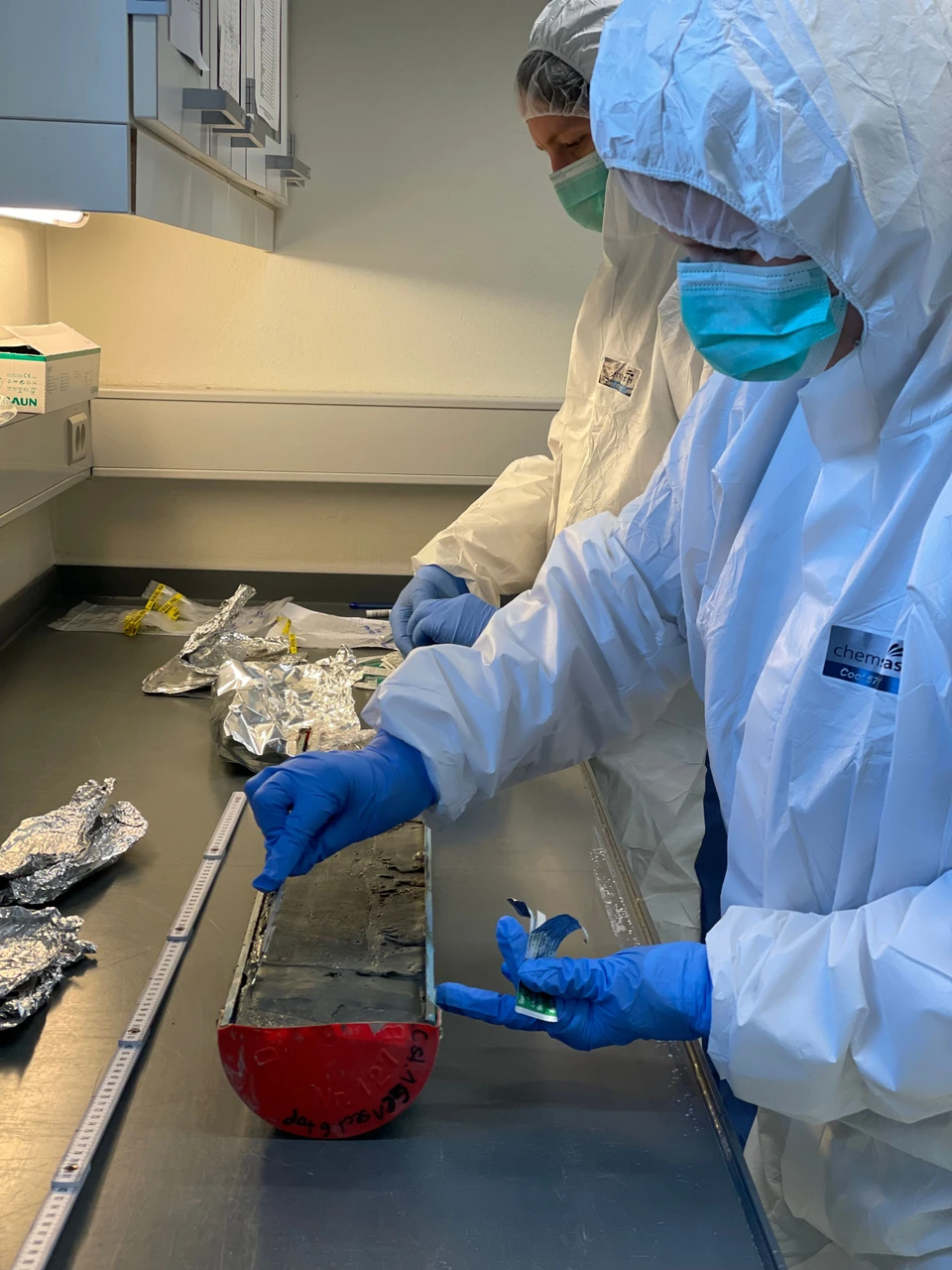
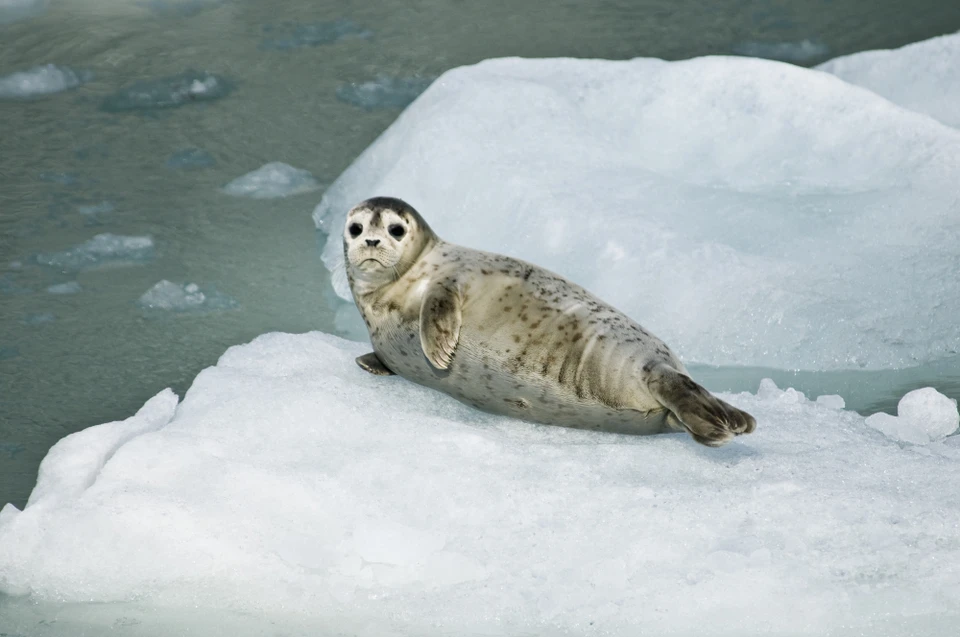
Utilizing DNA from marine sediment cores, an international team — led by researchers at GEUS and the University of Copenhagen — reconstructed historical occurrences of marine mammals, offering unprecedented insights into how these species responded to climatic changes throughout the Holocene.
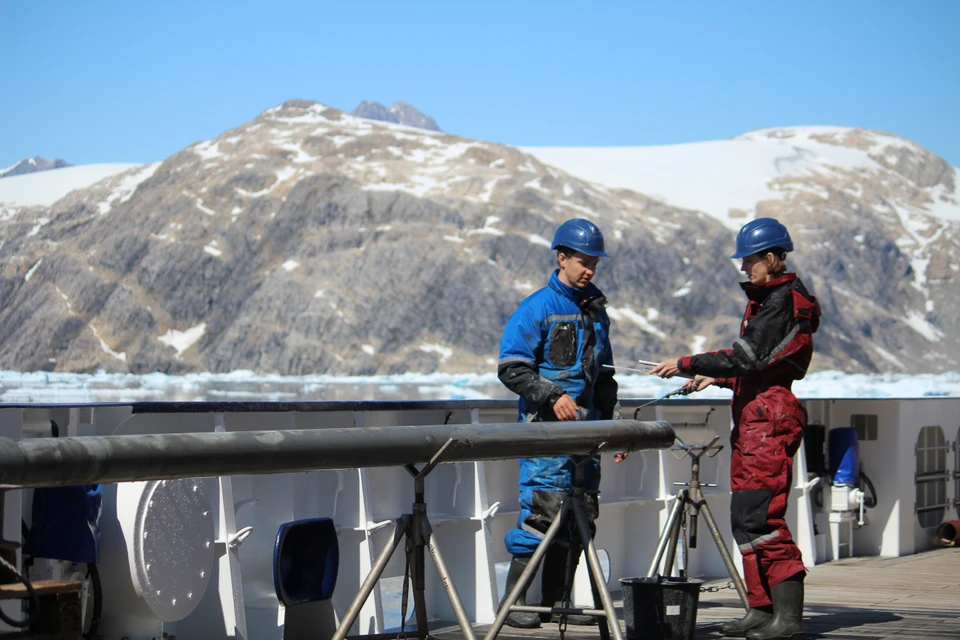
The researchers analyzed four marine sediment cores collected around Northern Greenland, a region of key importance for Arctic marine mammals under ongoing and future global warming. The findings indicate a strong correlation between marine mammal presence and the deglaciation events at the onset of the Holocene.
“The Nares Strait—a narrow waterway that separates northern Greenland from Canada—remained ice-covered until ~9,000 years ago; we detected DNA of narwhals, hooded seals, and ringed seals within 500 years of the strait opening,” said lead author Dr. Lennart Schreiber, from University of Copenhagen’s Globe Institute and GEUS.
In addition, the researchers detected the DNA of several species in the sediments thousands of years earlier than their first appearances in the regional fossil record.
“This means we can now trace much more precisely when marine mammal species accessed newly available habitats along the coasts of Greenland,” added Schreiber.